
Finding the best tasting gluten free pasta is one of the most important steps in recreating Italian recipes that taste authentic and comforting – the kind of meals many of us remember sitting around the Sunday dinner table enjoying with family.
If you’ve recently gone gluten free, or even if you’ve been gluten free for years, you’ve probably experienced the frustration of trying to cook with pasta that falls apart, turns mushy, or completely changes the flavor of the dish. Gluten-free pasta can be tricky. Some brands work beautifully in certain recipes, while others completely fall apart when baked in lasagna or tossed with sauce.
Since 2021, I’ve spent a lot of time testing gluten free pasta brands in my kitchen while developing recipes for Gluten-Free Italian Eats. Not only have I tested dozens of brands, but I’ve also tested which pasta shapes and brands work best depending on the type of Italian recipe – everything from baked ziti and lasagna to shrimp scampi, bolognese, pasta salad, and soup.
In this guide, I’m sharing everything I’ve learned so you can confidently choose the best gluten free pasta for each recipe. We’ll talk about the pasta brands that taste the most like traditional Italian pasta, which ones hold up best in sauces and baked dishes, and cooking tips that will help you get the best results every time.
If you’ve ever wondered which gluten-free pasta actually tastes good – and which ones are worth skipping – this guide will help you make the right choice.
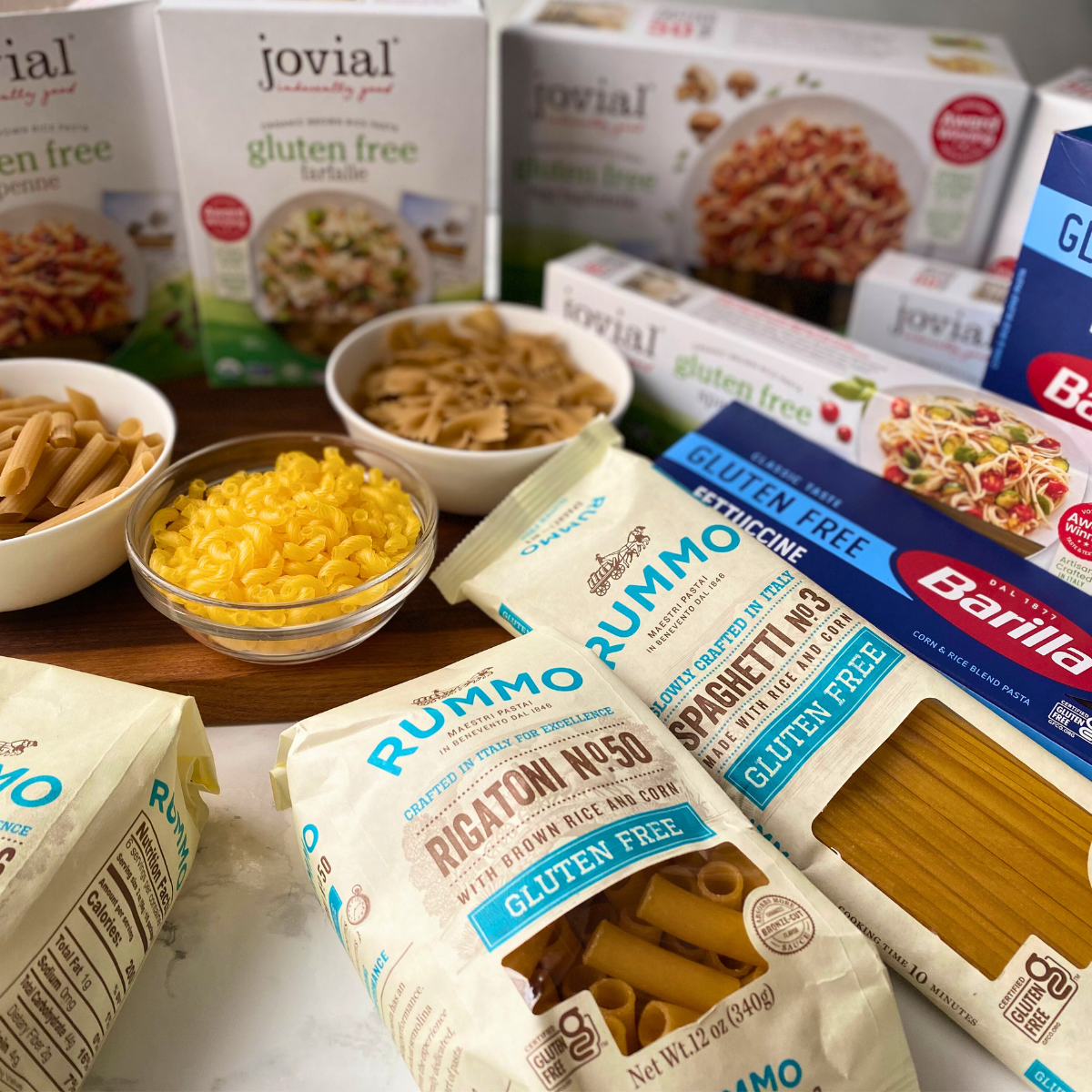
Quick Look
If you’re short on time, here are the key takeaways from this guide to the best gluten-free pasta brands and cooking tips.
- Best overall gluten-free pasta brands: Rummo and Jovial consistently deliver the best flavor and texture for Italian recipes.
- Best gluten-free pasta for baked dishes: Rummo or Jovial penne and rigatoni hold up best in baked ziti and other baked pasta recipes.
- Best gluten-free pasta for sauce: Long pasta shapes like spaghetti, linguine, and tagliatelle work best for marinara, Alfredo, bolognese, and other pasta sauces.
- Best gluten-free pasta for soup: Smaller pasta shapes like shells or elbows work well in soups like pasta fagioli.
- Best gluten-free pasta for pasta salad: Jovial rotini or bow ties tend to hold their texture the best in cold pasta salads.
- Best gluten-free lasagna noodles: Jovial lasagna noodles have the best texture for baked lasagna dishes.
- Key cooking tip: Slightly undercook gluten-free pasta if it will continue cooking in a sauce or baked dish.
- Most important takeaway: Once you find a gluten-free pasta brand and cooking method that works for you, recreating your favorite Italian recipes becomes much easier.
How I Found the Best Gluten-Free Pasta for Italian Recipes
When I was first diagnosed with Celiac disease, one of my first thoughts was, “How am I ever going to eat pasta again?”
I come from an Italian-American family where pasta was always on the table – Sunday dinners, holidays, family gatherings – there was always a big bowl of pasta or a tray of baked ziti somewhere in the kitchen.
So after going gluten free, I made it my mission to recreate the Italian recipes I grew up with. That meant testing a lot of gluten-free pasta brands to find the ones that actually tasted good and worked in real Italian recipes.
At first I assumed any gluten-free pasta would work as a simple swap for regular pasta. That definitely wasn’t the case. There was a lot of trial and error – pasta that turned mushy, broke apart in sauce, or changed the flavor of the dish.
But after years of testing different brands in everything from sauces to soups to baked pasta dishes, I’ve found the ones that consistently work the best. These are the pastas I use in my own kitchen – and the ones my husband and kids happily eat without even realizing they’re gluten free.
Everyone’s preferences are a little different, so I always encourage you to try a few brands and see what works best for you.
Jump to:
- Quick Look
- How I Found the Best Gluten-Free Pasta for Italian Recipes
- How I Tested Gluten Free Pasta
- The Best Gluten Free Pasta Brands Ranked (My Personal Picks)
- Best Gluten Free Pasta for Lasagna
- Best Gluten Free Pasta for Baked Pasta
- Best Gluten-Free Pasta for Sauce (Marinara, Bolognese, Alfredo, and More)
- Best Gluten-Free Pasta for Soup
- Best Gluten Free Pasta for Pasta Salad
- Best Gluten Free Pasta Shapes for Italian Recipes
- How to Cook Gluten Free Pasta Perfectly
- Common Gluten-Free Pasta Mistakes (and How to Avoid Them)
- My Favorite Place to Buy Gluten-Free Pasta Online (Thrive Market)
- Where to Buy Gluten-Free Pasta (Other Stores That Carry It)
- Final thoughts
How I Tested Gluten Free Pasta
When I test gluten-free pasta brands, I’m always comparing them to traditional pasta. My goal is to find pasta that gives the closest experience to what most of us grew up eating.
Here are the three main things I focus on when testing pasta.
- Taste. Gluten-free pastas are made with many different ingredients including rice flour, corn flour, chickpeas, beans, lentils, and almond flour. Some of these ingredients create pasta that tastes very different from traditional pasta. For Italian recipes, I look for pasta that complements the sauce rather than overpowering it.
- Texture. Texture is one of the biggest challenges with gluten-free pasta. Some brands turn soft very quickly or break apart once they’re tossed with sauce. I look for pasta that holds its structure and keeps that classic pasta bite.
- How It Holds Up in Baked Recipes. Many Italian recipes involve baking pasta in the oven for 30–45 minutes. Baked ziti and lasagna require pasta that can hold its shape without turning mushy. This is one of the biggest things I test when developing recipes.
The Best Gluten Free Pasta Brands Ranked (My Personal Picks)
1. Rummo Gluten Free Pasta – Best Overall. If I had to choose just one gluten-free pasta brand for Italian recipes, it would be Rummo gluten-free pasta. It has the closest texture to traditional pasta that I’ve found. It holds up beautifully in sauces and baked dishes and has that firm bite you expect from pasta. The only downside is that it can be harder to find depending on where you live.
2. Jovial Gluten Free Pasta – Best Widely Available Option. Jovial has been one of my favorite gluten-free pasta brands for years. It has excellent flavor and is widely available in many grocery stores. It also comes in a variety of shapes including gf lasagna noodles, which makes it incredibly useful for Italian cooking.
3. Capello’s Pasta – Best Fresh Gluten Free Pasta. Capello’s pasta is made with almond flour and sold refrigerated or frozen. It has a texture that feels very similar to fresh pasta, which makes it especially delicious in dishes like fettuccine Alfredo or ravioli. The only downside is the price and the need for refrigeration.
4. Le Veneziane Gluten Free Pasta – Excellent but harder to find. Le Veneziane gluten-free pasta is another brand that performs very well. It’s made mostly from corn flour and has a good flavor and texture. The biggest challenge is availability — it can be difficult to find in stores unless you purchase it online. If you see it in a store, it’s definitely worth trying.
5. Barilla Gluten Free Pasta – Good in a Pinch. Barilla gluten-free pasta is widely available and easy to find. The flavor is good, but the texture can be more delicate than other brands and it may break apart more easily when tossed with sauce or baked.
6. Ronzoni Gluten Free Pasta – Similar to Barilla. Ronzoni gluten-free pasta is another brand you may see in stores. It’s very similar to Barilla in flavor and texture. It works well in simple pasta dishes but can break apart more easily in heavier sauces or baked recipes.
7. Bean-Based Pasta – Not Ideal for Italian Recipes. Bean-based pastas like chickpea or lentil pasta tend to have a stronger flavor that can overpower traditional Italian recipes. One of the most common brands is Banza chickpea pasta, but I generally don’t recommend it when trying to recreate classic Italian pasta dishes.
Note: Many grocery stores also carry store brand gluten-free pasta, including Aldi, Trader Joe’s, and Wegmans. These are often similar to Barilla and can work perfectly fine in many recipes. When choosing store-brand pasta, look for versions made with rice and corn flour rather than bean-based pasta.
Best Gluten Free Pasta for Lasagna
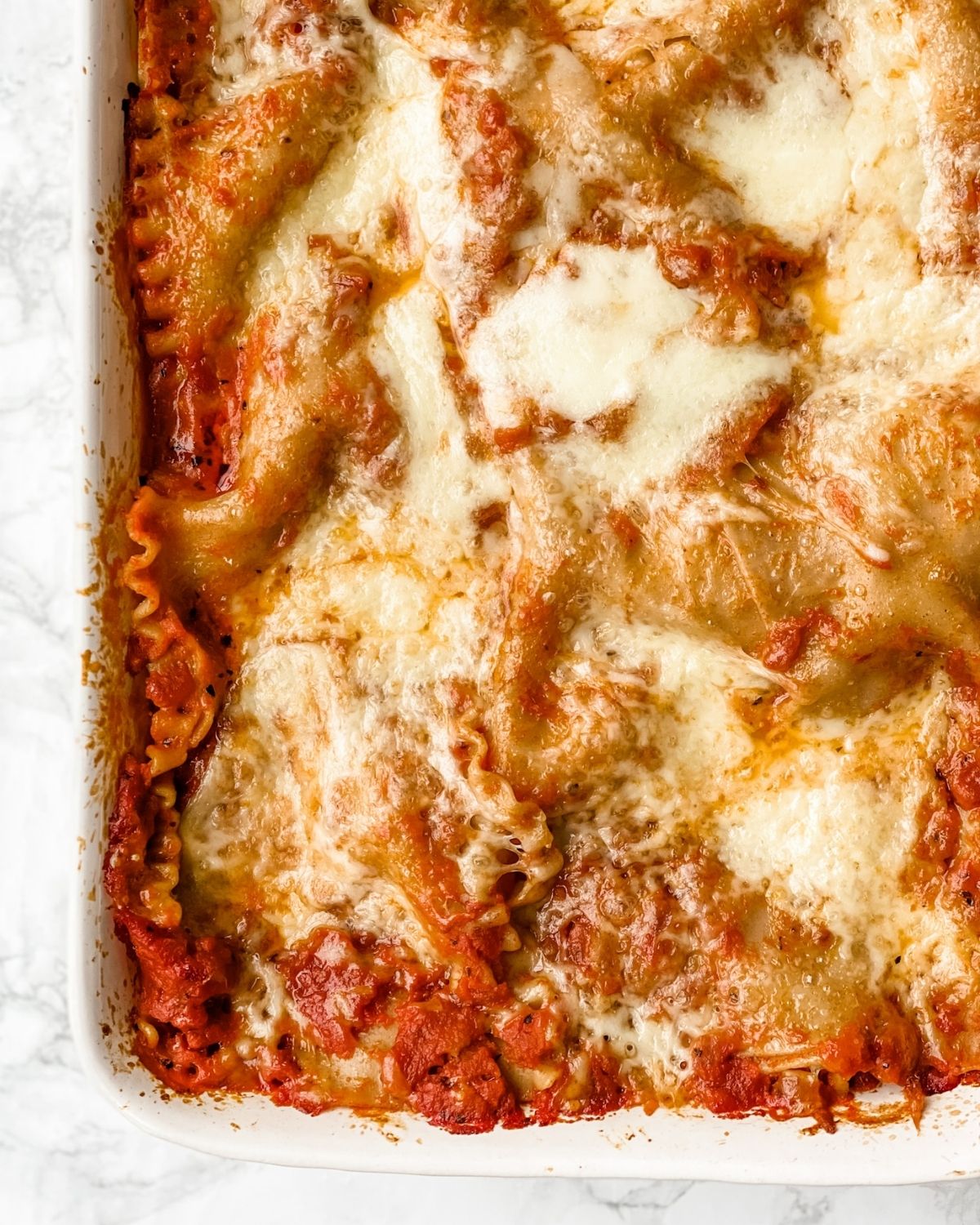
When it comes to choosing the best gluten-free lasagna noodles, my favorite is Jovial gluten-free lasagna pasta. It has the best texture and cooks consistently every time I make lasagna. The noodles hold their shape beautifully while baking and give you that classic lasagna texture that can sometimes be hard to achieve with gluten-free pasta.
I know many people also use Barilla gluten-free lasagna noodles – my mom has used them several times and likes the no-boil version. In my experience, they do work and will get the job done, especially if that’s what you have access to. However, the flavor and texture of Jovial are noticeably better. If you can find Jovial gluten-free lasagna noodles, that’s the brand I recommend using for the best results when making gluten-free lasagna.
Cook the jovial lasagna noodles for about 4 minutes only before assembling the lasagna. They will finish cooking in the oven. Always cover lasagna tightly with foil and ensure the noodles are fully covered in sauce.
See my gluten free lasagna recipe for full ingredient list and instructions.
Best Gluten Free Pasta for Baked Pasta

When it comes to choosing the best gluten-free pasta for baked ziti and other baked pasta dishes, Rummo penne and Jovial penne are my top choices. Both brands hold their shape beautifully during baking and maintain a great texture even when reheated the next day.
Rummo also makes a gluten-free rigatoni, which I was very excited to find because rigatoni is one of my favorite pasta shapes. If you’re planning to make a baked rigatoni dish, I highly recommend looking for the Rummo brand. The larger ridged tubes hold onto the sauce and cheese perfectly and stay sturdy while baking.
When preparing gluten-free pasta for baked dishes like baked ziti, the most important tip is to undercook the pasta before it goes into the oven. I recommend cooking the pasta for about 4 minutes only before assembling the dish. The pasta will finish cooking in the oven as it bakes in the sauce, giving you the perfect texture instead of mushy noodles.
See my gluten free baked ziti for full ingredient list and instructions.
Best Gluten-Free Pasta for Sauce (Marinara, Bolognese, Alfredo, and More)
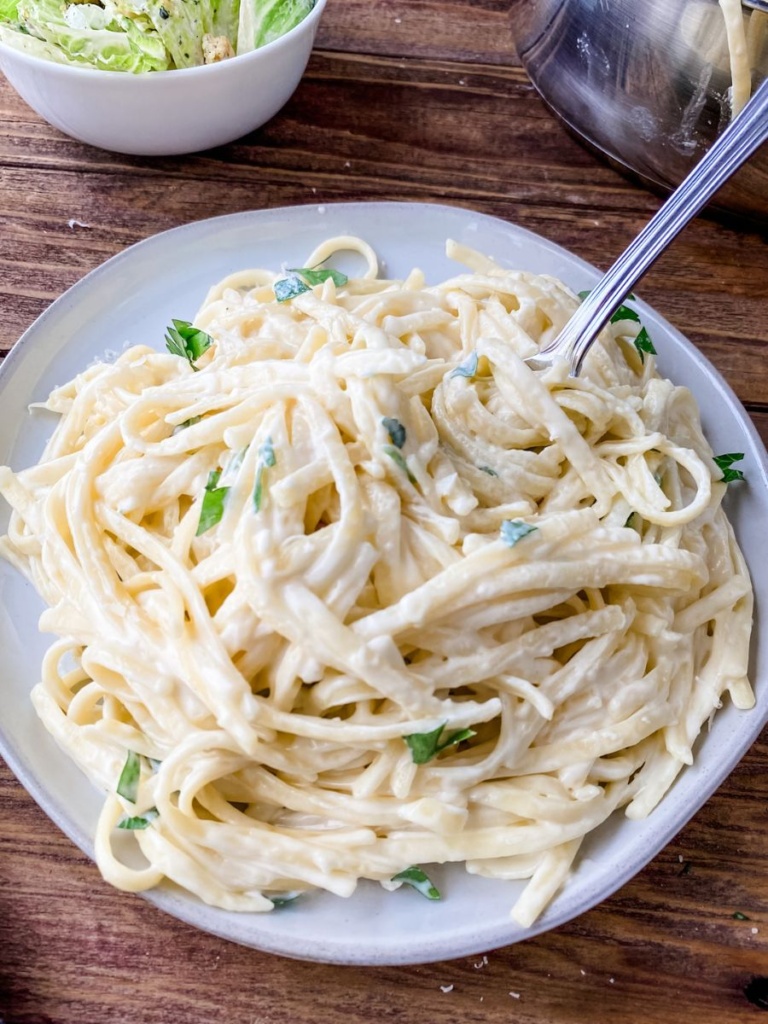
When making classic Italian pasta dishes with sauce – like marinara, bolognese, gf Alfredo, or shrimp scampi – long pasta shapes tend to work best. These shapes allow the sauce to coat the noodles evenly and create that traditional pasta experience where every bite is perfectly balanced.
My favorite gluten-free pasta brands for sauce-based dishes are Rummo and Jovial, because they consistently hold their texture and don’t fall apart once tossed with sauce. Some of my go-to pasta shapes include:
- Rummo gluten-free spaghetti
- Jovial gluten-free spaghetti
- Jovial tagliatelle
All three of these options hold sauce beautifully and maintain their texture, even after being tossed with a rich sauce or reheated the next day.
One pasta I especially love using is Jovial tagliatelle. Tagliatelle is slightly wider than fettuccine and has a ribbon-like shape that grabs onto sauce incredibly well. I use this pasta often when making dishes like gluten-free bolognese because the thicker noodles hold the hearty meat sauce perfectly. It’s also fantastic in creamy pasta dishes like gluten-free carbonara, where the silky sauce clings to the noodles and creates that classic Italian texture.
Spaghetti is another great choice for many traditional pasta dishes. It’s perfect for recipes like gluten-free shrimp scampi or simple marinara sauce or spicy arrabbiata sauce because the thinner strands allow the lighter sauces to coat the pasta evenly. It also gives you that classic twirl-on-the-fork pasta experience that many people miss when they first go gluten free.
Best Gluten-Free Pasta for Soup
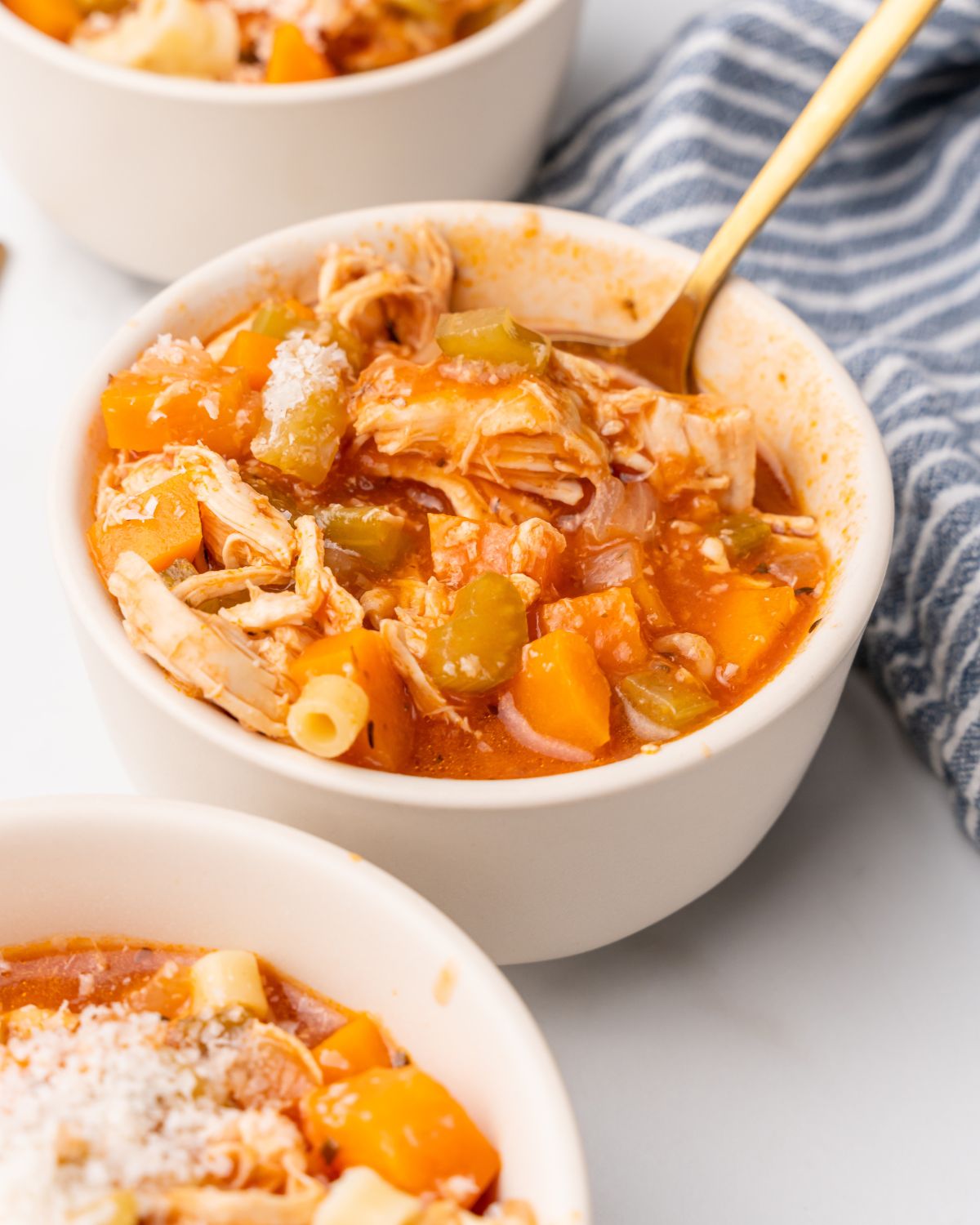
When it comes to choosing the best gluten-free pasta for soup, the good news is that soup recipes tend to be much more forgiving than other pasta dishes. Because the pasta isn’t being baked or heavily tossed with sauce, most gluten-free pasta shapes will work just fine.
For Italian soup recipes, smaller pasta shapes are usually the best choice. The most common gluten-free soup pasta shapes you’ll find in stores include:
- Small shells
- Elbows
- Ditalini (if you can find it)
These shapes work well because they are easy to scoop up with the broth and ingredients in each spoonful. Shells and elbows are the most widely available gluten-free options, so those are usually what I use when making soups at home.
Traditionally, Italian soups like pasta fagioli (pasta fazool) are made with ditalini pasta, which are tiny tube-shaped noodles. However, gluten-free ditalini can be difficult to find in stores. There is a brand called Le Veneziane that makes gluten-free ditalini, but it’s usually only available online and tends to be quite expensive.
Because of that, I almost always substitute gluten-free elbows or small shells when making soup recipes like pasta fagioli. They work just as well and are much easier to find in most grocery stores.
The most important tip when using gluten-free pasta in soup is to cook the pasta separately from the soup. Never cook the pasta directly in the pot of soup. Gluten-free pasta absorbs liquid quickly and will continue soaking up broth as it sits, which can cause the pasta to become mushy and the soup to thicken too much.
Instead, cook the pasta in a separate pot according to the package directions. When you’re ready to serve the soup, simply add a scoop of the cooked pasta to each bowl and ladle the soup over the top. This keeps the pasta perfectly tender and prevents the soup from becoming overly thick.
This simple step makes a big difference and helps your gluten-free soup recipes maintain the best texture and flavor.
Checkout all of my gluten free Italian soup recipes.
Best Gluten Free Pasta for Pasta Salad
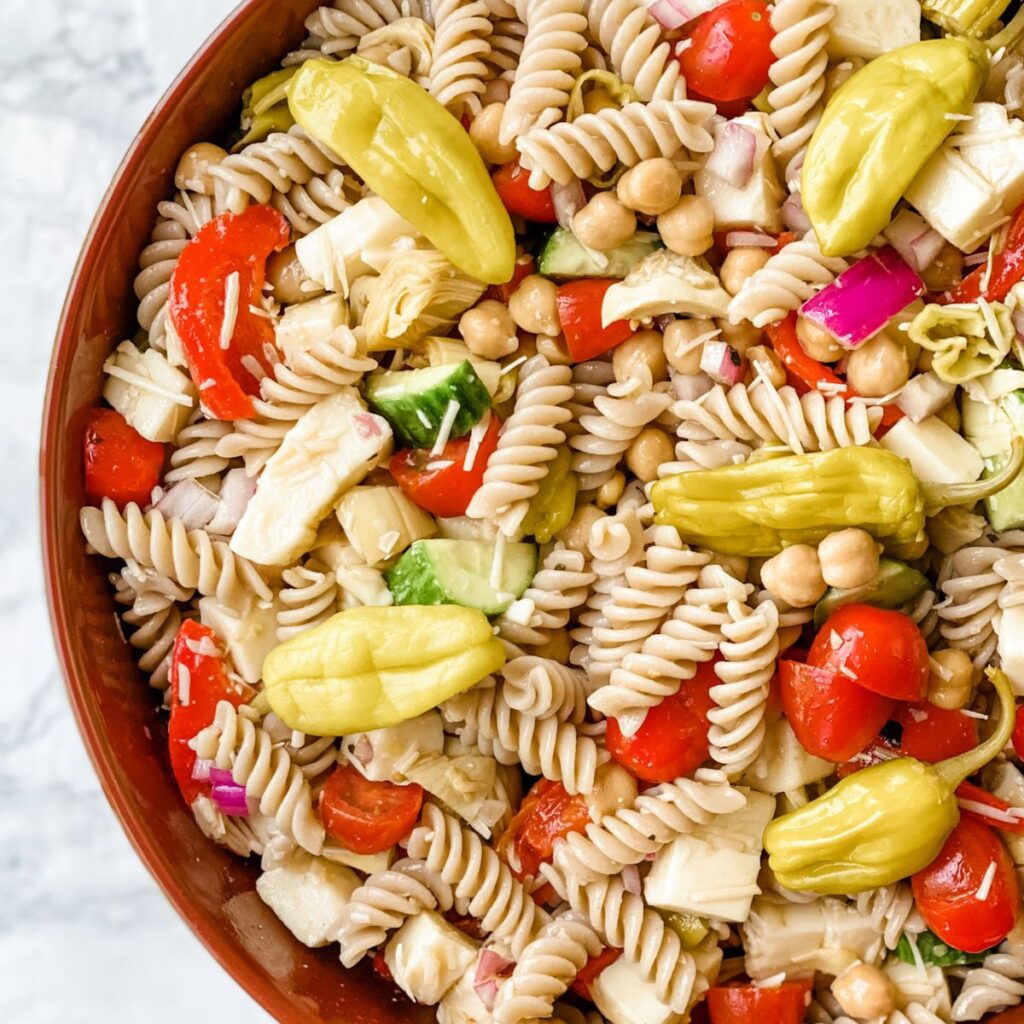
Finding the best gluten-free pasta for pasta salad can be a little tricky. Unlike hot pasta dishes, pasta salad is usually made ahead of time and served cold after chilling in the refrigerator. Traditional wheat pasta holds up well when it sits in dressing overnight, but gluten-free pasta tends to firm up much more once it’s refrigerated, which can make pasta salad feel dry or stiff.
After testing several brands over the years, I’ve found that Jovial gluten-free bow ties and rotini work the best for cold pasta salad recipes. These shapes hold their texture well and still taste great even after being chilled. I’ve been making my gluten-free pasta salad recipes with Jovial for years and have always had great results.
More recently, I also tested Rummo gluten-free spiral pasta, and it worked beautifully as well. Rummo pasta tends to have a slightly firmer texture than some other gluten-free brands, which helps it hold up well in cold pasta dishes.
I know that Barilla and Ronzoni gluten-free pasta are widely available in most grocery stores, and they can definitely work if that’s what you have access to. In fact, my mom has made pasta salad using Barilla gluten-free spiral pasta, and it turned out very good. The flavor was great and the pasta worked well in the salad.
The biggest difference you’ll notice with gluten-free pasta salad compared to traditional pasta salad is how the pasta behaves after sitting in the refrigerator. Traditional pasta salads are often made the day before serving so the pasta can soak up the dressing and all the flavors can meld together. Gluten-free pasta doesn’t always handle that long resting time as well and can become firmer and slightly dry after sitting overnight.
If you’re making pasta salad for a party or gathering, I recommend preparing it a few hours ahead of time so it has time to chill but the pasta still stays tender.
If you’re making it to enjoy over a few days, like many families do for easy lunches during the week, you can absolutely store it in the refrigerator. Just keep in mind that you may need to add a little extra olive oil or dressing before serving to loosen the pasta and bring the salad back to life.
Overall, the best gluten-free pasta for pasta salad in my experience has been Jovial and Rummo, especially when using shapes like rotini, spirals, or bow ties that hold onto the dressing and ingredients throughout the salad.
Check out my Pesto Pasta Salad, Caprese Pasta Salad, and GF Italian Pasta Salad.
Best Gluten Free Pasta Shapes for Italian Recipes
When it comes to making delicious gluten-free Italian recipes, choosing the right gluten-free pasta shape is just as important as choosing the right pasta brand. Different pasta shapes are designed to work with different types of sauces and cooking methods, and selecting the right one can make a big difference in the final dish.
- For lighter sauces, long pasta shapes tend to work best. Shapes like spaghetti, linguine, fettuccine, and tagliatelle allow the sauce to coat the noodles evenly while still giving you that classic twirl-on-the-fork pasta experience. These shapes are perfect for recipes like marinara, shrimp scampi, garlic and oil, or creamy Alfredo sauces where the sauce gently clings to each strand of pasta.
- For thicker sauces or baked pasta dishes, tube-shaped pasta is usually the best choice. Shapes like penne, rigatoni, or ziti are ideal because the hollow centers and ridged surfaces help trap sauce inside the pasta. This makes them perfect for recipes like baked ziti, hearty meat sauces, or casseroles where the pasta needs to hold up well during baking.
- Smaller pasta shapes are typically used in soups. Shapes like elbows, small shells, or ditalini work well in Italian soup recipes because they are easy to scoop up with broth and other ingredients. These smaller noodles are commonly used in soups like pasta fagioli or Italian wedding soup.
- For cold dishes like pasta salad, spiral pasta shapes tend to work best. Shapes like rotini, fusilli, or bow ties have curves and ridges that help hold onto dressing, herbs, and vegetables throughout the salad so each bite stays flavorful.
If you’re ever unsure which pasta shape to use for a specific dish, don’t worry. In all of the gluten-free Italian recipes I share here, I always recommend the exact pasta shape and brand that works best for that recipe so you can get the best results every time.
Understanding the different gluten-free pasta shapes and how they pair with different Italian sauces and dishes makes it much easier to recreate the classic pasta meals you love while still maintaining great texture and flavor.
How to Cook Gluten Free Pasta Perfectly
Cooking gluten-free pasta is slightly different than cooking traditional pasta.
- Start with a large pot of salted boiling water and watch the cooking time carefully. Gluten-free pasta can go from perfectly cooked to mushy very quickly.
- I always start checking the pasta a couple minutes before the package instructions say it’s done.
- You want the pasta to be slightly firm because it will continue cooking once it’s tossed with sauce.
- Before draining the pasta, reserve about ½ cup of pasta water. The starch in the water helps sauces cling to the pasta and can be used to loosen sauces if needed.
- Finally, toss the pasta with sauce shortly after draining so it doesn’t stick together.
Common Gluten-Free Pasta Mistakes (and How to Avoid Them)
Cooking gluten-free pasta isn’t difficult, but it does behave a little differently than traditional wheat pasta. Over the years of testing different brands and recipes, I’ve found that most problems people run into with gluten-free pasta come down to just a few common mistakes. Once you understand how gluten-free pasta cooks, it becomes much easier to get great results every time.
- One of the most common mistakes when cooking gluten-free pasta is overcooking it. I wouldn’t necessarily say that gluten-free pasta cooks faster than traditional pasta, but it can go from perfectly cooked to mushy very quickly if it sits in the water too long. The best approach is to start checking the pasta a couple minutes before the package directions say it should be done.
- It’s also important to think about how the pasta will be used in the recipe. If the pasta will continue cooking in a sauce or be baked in a dish like baked ziti or lasagna, it’s best to stop cooking the pasta a few minutes early. This allows the pasta to finish cooking in the sauce without becoming too soft.
- Another common mistake is choosing the wrong pasta shape for the recipe. Different pasta shapes are designed to work with different sauces. Lighter sauces like marinara, shrimp scampi, or garlic and oil work best with long pasta shapes like spaghetti or linguine, while thicker sauces and baked dishes usually require sturdier shapes like penne, rigatoni, or ziti that can hold up better during cooking.
- Many people make when cooking gluten-free pasta is forgetting to save some pasta water before draining the noodles. The starchy pasta water can be incredibly helpful when finishing a pasta dish because it helps loosen sauces and allows them to cling to the pasta more evenly. Even just a small splash of pasta water can help bring a sauce together and create that silky texture you expect in a good Italian pasta dish.
My Favorite Place to Buy Gluten-Free Pasta Online (Thrive Market)
If your local grocery stores don’t carry a wide variety of gluten-free pasta brands, shopping online can be one of the easiest ways to find the exact pasta you’re looking for. One of the biggest challenges when cooking gluten-free Italian recipes isn’t just finding gluten-free pasta – it’s finding the specific brand and pasta shape that works best for the recipe.
Many stores may carry one or two gluten-free pasta brands, but the selection of shapes is often very limited. For example, you might be able to find Jovial spaghetti or penne fairly easily, but it can be much harder to find things like gluten-free lasagna noodles, tagliatelle, or specialty shapes like rigatoni.
One option I’ve personally used for years is Thrive Market. I’ve been ordering from Thrive Market since 2015, and it’s been a really convenient way to find a larger selection of gluten-free pantry staples, including pasta.
They carry many well-known gluten-free pasta brands such as:
- Jovial gluten-free pasta
- Capello’s pasta
- Thrive Market gluten-free pasta
- and other specialty gluten-free products
The biggest benefit of shopping online is simply the much larger selection of gluten-free pasta brands and pasta shapes that are often difficult to find locally. If you’re looking for a specific pasta for a recipe – like lasagna noodles, tagliatelle, or specialty shapes – it’s often much easier to find them online than trying to search multiple grocery stores.
Even though Thrive Market does require a yearly membership, I’ve found that the prices are often comparable to – or sometimes even lower than – what you’d pay in many grocery stores, especially when buying gluten-free products.
If you’re having trouble finding your favorite gluten-free pasta brands locally, I definitely recommend checking out Thrive Market. It’s one of the easiest ways to keep your pantry stocked with gluten-free staples, and they often carry pasta shapes and brands that are hard to find in regular grocery stores. Thrive Market is always running special offers for new members, so you can check out their latest deal here.
Where to Buy Gluten-Free Pasta (Other Stores That Carry It)
If Thrive Market isn’t your thing, there are still several grocery stores that often carry good gluten-free pasta options.
- Stores like Wegmans, Target, Whole Foods, and Walmart frequently stock popular brands like Jovial and Barilla gluten-free pasta. However, the availability of specific pasta shapes can vary quite a bit depending on the store.
- I’ve also found that Aldi and Trader Joe’s sometimes carry their own gluten-free pasta brands. These store brands can work well in many recipes, especially if they’re made from rice and corn flour rather than bean-based pasta.
- Another gluten-free pasta brand that’s worth trying if you happen to find it is Le Veneziane. It’s not always easy to locate in stores, but it has a very nice texture and works well in many Italian recipes. You can sometimes find it online on Amazon.
The key takeaway when shopping for gluten-free pasta is that availability can vary widely depending on where you live. If you find a brand and pasta shape you really like, it’s often worth stocking up so you always have it on hand for your favorite recipes.
Final thoughts
I hope this guide to the best gluten-free pasta brands has been helpful as you work to recreate your favorite Italian recipes. Over the years, I’ve spent a lot of time testing different gluten-free pastas in my kitchen, and the brands and tips I shared here are the ones that I’ve found work best when making traditional Italian dishes.
My goal with this guide is to help you save time, avoid wasting money on pasta that doesn’t work well, and get back to enjoying the Italian food you love.
In all of the gluten-free Italian recipes I share on this site, I always recommend the specific pasta brand and shape that works best for that dish so you can get the best results. That said, everyone’s preferences are a little different, so it’s always a good idea to try a few brands and see which ones you enjoy the most.
Once you find the gluten-free pasta that works for you, making your favorite Italian meals gluten free becomes much easier—and just as delicious.
If you’re looking for more ideas, be sure to explore the gluten-free Italian recipes here on the site, where I share tested recipes along with the best gluten-free pasta brands and shapes to use for each dish.

Leave a Reply